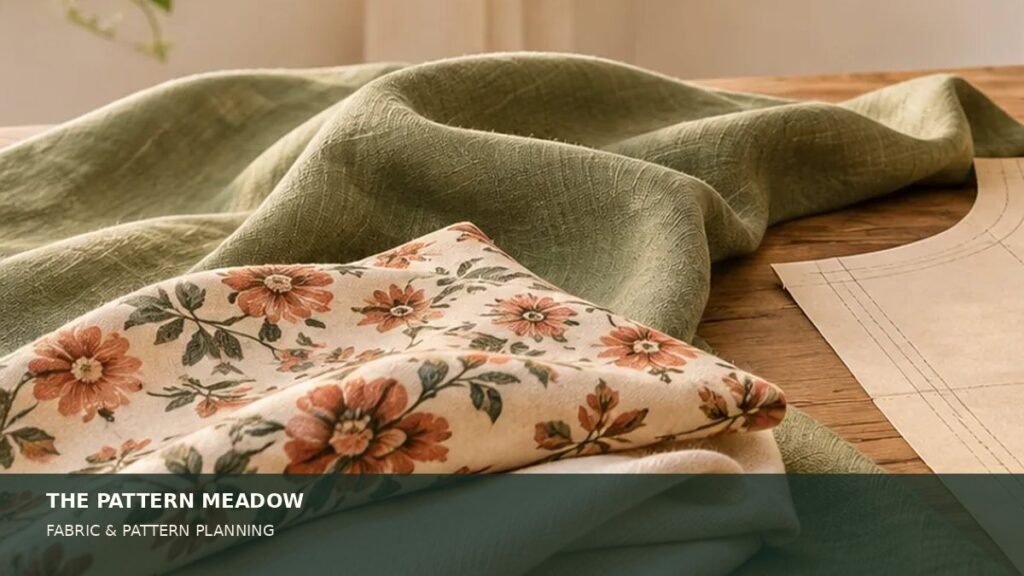
Prewashing is a simple preparation step that can prevent a painful surprise: you finish a garment, wash it once, and discover that it has become shorter or twisted. Not every fabric needs the same treatment, and some specialty materials should not be washed at home. The aim is to prepare the fabric for the care it will receive after the garment is made.
Check the fabric first
Read the manufacturer’s care information and consider the garment’s intended use. If the finished item will be machine-washed, pretreating the fabric using a compatible method can reveal shrinkage, excess dye and changes in texture. If it will be dry-cleaned, home machine washing may be inappropriate.
For blended fabrics, finished coatings, heavily textured cloth, silk or wool, seek fiber-specific care guidance. A test swatch is safer than experimenting on an entire expensive length.
A straightforward preparation method
- Measure and record the fabric’s length and width before treatment if you want to quantify shrinkage. Note which edge you measured and whether the cloth is relaxed.
- Secure easily fraying edges with a suitable zigzag or overlock stitch if the fabric requires it. You can also use a laundry bag for delicate smaller pieces if the care instructions allow.
- Wash or otherwise pretreat according to the fabric’s care requirements and how you intend to clean the final item. Avoid changing water temperature just to ‘force’ extra shrinkage.
- Dry using an appropriate method. Do not tumble-dry materials that prohibit it.
- Press or steam as recommended, allow the fabric to cool and rest, then square it gently without stretching it out of shape before cutting.
What about color bleeding?
Test a small piece or white cloth if you’re concerned about strong dyes. Wash dark and light fabrics separately until you understand how they behave. Color-catcher sheets are not a guarantee that bleeding will never occur.
When not to wash
Some fabrics have special finishes, bonded layers or surface treatments that could be harmed by washing. For interfacings, carefully follow manufacturer instructions: some need preshrinking or steam conditioning while others must remain dry. The rule is to check the actual material, not assume every roll behaves like ordinary cotton.
Think ahead to the finished garment
A fabric you cannot care for comfortably may not be a good choice for everyday clothes. Matching care requirements matters particularly when combining lining, trims and main fabric.
Continue with choosing beginner fabric or estimating your fabric requirements. For body measurements and fit, use Fabric & Fit Guide.
Ready for another project?
Explore our project finder to match sewing ideas with your experience.
Browse project guides